From the Apex · Axle to Grind ·
India still trusts Honda. It just stopped buying it.
Honda was India's fourth-biggest carmaker, with a showroom full of cars people aspired to. In 2025 it finished ninth. The cars were never the problem.
- Honda sold 62,576 cars in India in 2025 and finished ninth, on 1.4% of the market.
- A decade ago it was fourth, selling close to 192,000 cars a year.
- Kia sold nothing here until 2019. It now outsells Honda more than four times over.
- The cars were never the problem.
Honda was India's fourth-biggest carmaker, with a showroom full of cars people aspired to. In 2025 it finished ninth. The cars were never the problem.
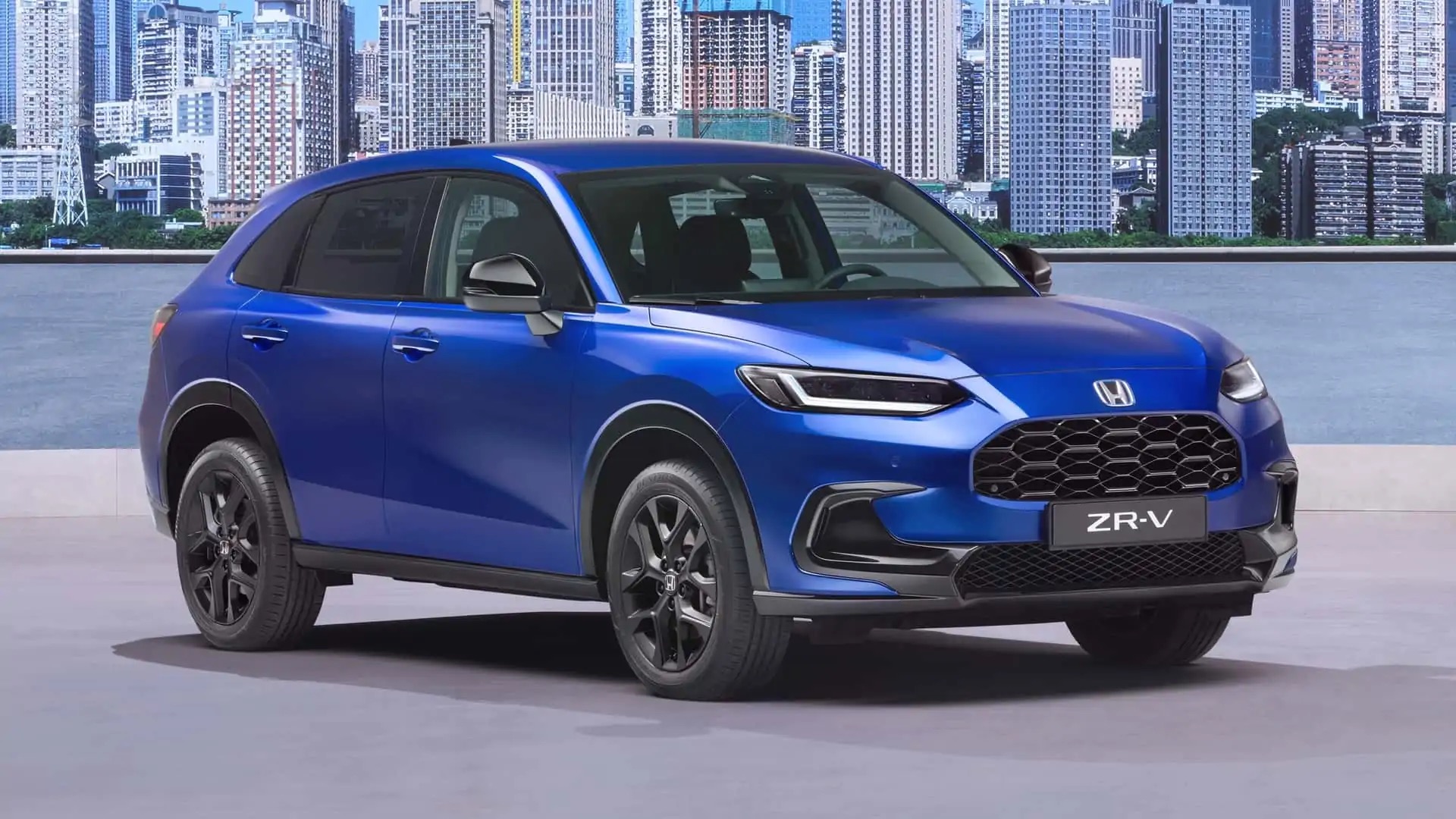
On 22 May, Honda launched the facelifted City and opened pre-bookings for the ZR-V, a sharp 2.0-litre hybrid SUV due around the third quarter at close to fifty lakh. The previous October, at the Japan Mobility Show, it had unveiled an ambitious comeback plan: ten new models by 2030, an electric SUV for India in 2027, and a promise that India is now one of its three most important car markets in the world. It is the most serious push Honda has aimed at this country in years.
It is launching from ninth place.
In 2025 Honda sold 62,576 cars in India and finished ninth among carmakers, on 1.4% of the market, its sales down two years running. A decade ago it ranked fourth, beaten only by the giants, moving close to 192,000 in a single year. Kia, which sold nothing here until 2019, now outsells it more than four times over.
So the easy story writes itself: Honda lost India because it stopped caring. That is the story I don't believe.
The cars were good. That was never the question.
Honda's cars are, by most measures, excellent, and its most mainstream one proves it. The Elevate is about as no-nonsense as a modern car gets: built in India, engineered to a global standard, and good enough that Honda sells it back home in Japan as the WR-V, where it scored a full five stars from Japan's own crash programme. Its CVT is plain and unstressed; the cabin is understated in the way that ages well rather than the way that dates. The first Kia Seltos, by contrast, looked far more exciting yet was rated structurally unstable by Global NCAP in 2020, a weakness Kia only put right with an all-new car years later.
Honda did not forget how to engineer cars. Even its hybrids are class-leading; the ZR-V's runs near 41% thermal efficiency, level with Toyota's best. What Honda forgot was how to package, price and time those cars for India, and it forgot in two repeating ways.
Honda's real fault is a clock, not an engine
Watch Honda for fifteen years and the same mistake loops: it arrives one cycle late to its own party. It went big on diesel just as diesel peaked, then quit within eight years, before the engine had paid for itself. It built proper hybrids in the Civic and City before anyone else here, then priced them so high they died on the shelf. As buyers warmed to hybrids it went full electric; now, with the country hybrid-curious, it is pivoting back to hybrid. Each call was defensible alone. Together they describe a company forever building the right car for the market it had two years ago.
The day it chased Maruti and lost itself
The costlier mistake was positioning. Over the last decade Honda chased Maruti's volumes with cheaper, smaller cars, the Brio and the Jazz, neither of which worked. The damage wasn't the sales sheet, it was the badge: Honda spent its premium aura on a fight it was never built to win. Toyota faced the same problem and did the opposite. It protected the top of its brand, the Land Cruisers and Fortuners that ordinary buyers file under "serious carmaker", while borrowing volume from Maruti's small cars. The effect shows up in the data, where the rebadged Toyota Hyryder outsells the near-identical Maruti Grand Vitara, the badge doing much of the work. Honda kept the small cars and threw away the aura that sold them, then wondered why the badge had stopped pulling its weight.
One rival tells the whole story
So Honda has the better-engineered car. Now watch it lose anyway. Kia launched the Seltos in August 2019; Honda launched the Elevate in September 2023, four years later, into a segment Kia had already learned to win. And on the features buyers actually shop, it showed: the Elevate arrived without a 360-degree camera, ventilated seats, a panoramic sunroof or a head-up display, all of which the Seltos had. Autocar India called the stinginess out by name. To be fair, the Elevate matched it on the expensive thing, a full Level-2 driver-assist suite, so this was never about Honda failing to engineer. It was about guessing which features the buyer would notice, and guessing wrong. Then Honda left the Elevate alone. While Kia launched, facelifted and fully replaced the Seltos, Honda's car has sat untouched on its first version. The gap became a chasm.
The segment they simply sat out
The most-contested body style in India is the sub-four-metre SUV, the Nexon and Venue and Brezza bracket that sells 10,000 to 20,000 a month each. By our dataset there are 311 such variants on sale from eleven brands. Honda's share is zero. Not small. Zero. And it isn't that Honda can't build under four metres: the Amaze is 3,995 millimetres, drawn five under the line for the tax break. Honda had the platform and put a sedan on it, in a country walking away from sedans towards the very SUV it didn't build.
The new cars carry the old habits
The ZR-V, and a possible Prelude import, may polish the badge. But low-volume halo imports cannot fix a mass-market absence; they sell a few hundred units and change nothing in the showroom. The facelifted City shows the same problem in miniature. Honda added the obvious kit late, ventilated seats, a 360-degree camera, a bigger screen, but the execution feels reactive rather than assured: reviewers panned the new touchscreen as bolted-on and hard to read, and the camera feed as grainy. The ZR-V proves Honda still knows how to build a cabin with real buttons and clean ergonomics. The City proves it still struggles to carry that judgement into the cars that actually sell.
What happened to the Honda we wanted
It wasn't always like this. The City, Civic, Accord and CR-V once made Honda feel aspirational in India. A Honda in the driveway said something about you.
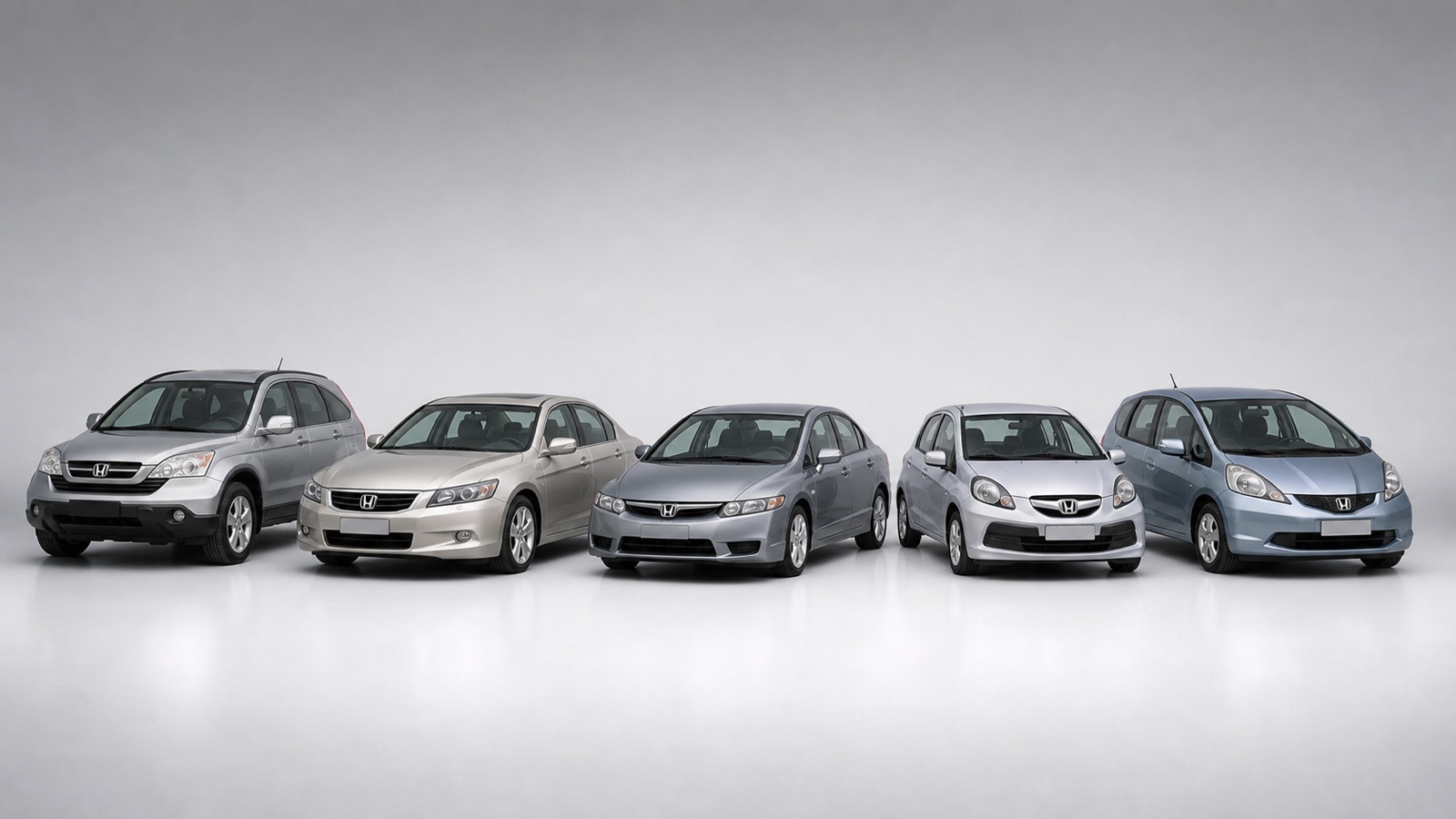
I remember a friend's father in our colony bringing home a blue Civic, and the whole street coming out to look. That is the Honda the spreadsheet misses: not just reliable, but desirable. The comeback has to recover that feeling, not merely add models to a price list.
The comeback is real, but late
The new plan reads like a company that has finally heard itself. Ten models by 2030, anchored by the Zero Alpha, a ground-up electric SUV for 2027 built here as a global export base, on a new platform meant to carry hybrids and petrols together. The next City, due 2028, is being redrawn as something genuinely radical. None of it lands tomorrow, though. The first volume car is eighteen months out, into a market where Hyundai, Mahindra, Tata and Toyota will launch dozens in the meantime. And the flaw Honda has never fixed, pricing, the sense that you are paying for engineering the brochure can't show, is exactly what turns a clever fifty-lakh hybrid into a car nobody buys.
India never stopped trusting Honda. The badge still means reliability, engineering, a clean name. What broke was translation: the segment, the price, the feature list, the presence on the road. Honda has always known how to build a good car; for a decade it forgot that a market is not a spec sheet. The comeback is the first real sign it has started building for the buyer again. About time.
Honda's slogan, after all, is The Power of Dreams. India still has the dream; Honda just has to build it.
Cars in this story
- Honda ZR-V, from ₹47.99 lakh ex-showroom
- Kia Seltos, from ₹11.00 lakh ex-showroom
- Honda Elevate, from ₹11.81 lakh ex-showroom
- Honda City, from ₹12.00 lakh ex-showroom
- Maruti Suzuki Grand Vitara, from ₹10.77 lakh ex-showroom
- Tata Nexon, from ₹7.40 lakh ex-showroom
- Maruti Suzuki Brezza, from ₹7.40 lakh ex-showroom
- Honda Amaze, from ₹7.65 lakh ex-showroom